Why you need a VPN on your phone and how it functions

Smartphones are portable computers that have quickly replaced other devices as the go-to option for many of us for both work and leisure activities. Additionally, our smartphones frequently have private data that is particular to each of us. It's essential to protect that confidential information from inquisitive eyes. You may access the web more securely while using one of the top Android phones in conjunction with a VPN service.
This guide will explain what a VPN is, why you should use one on your phone, and how it can protect you while you conduct regular online activities.
How does a virtual private network (VPN) operate and what is it?
You receive an Internet Protocol (IP) address from your internet service provider (ISP), which enables you to access the internet. However, using this number, your internet activity can be linked to your actual home location. Additionally, by default, your ISP can see everything you do, which is bad for privacy concerns. By using a virtual private network (VPN) service, they are prevented from seeing you. A VPN encrypts your data across a tunnel while concealing your home IP address. Even your ISP won't be able to monitor what you do online.
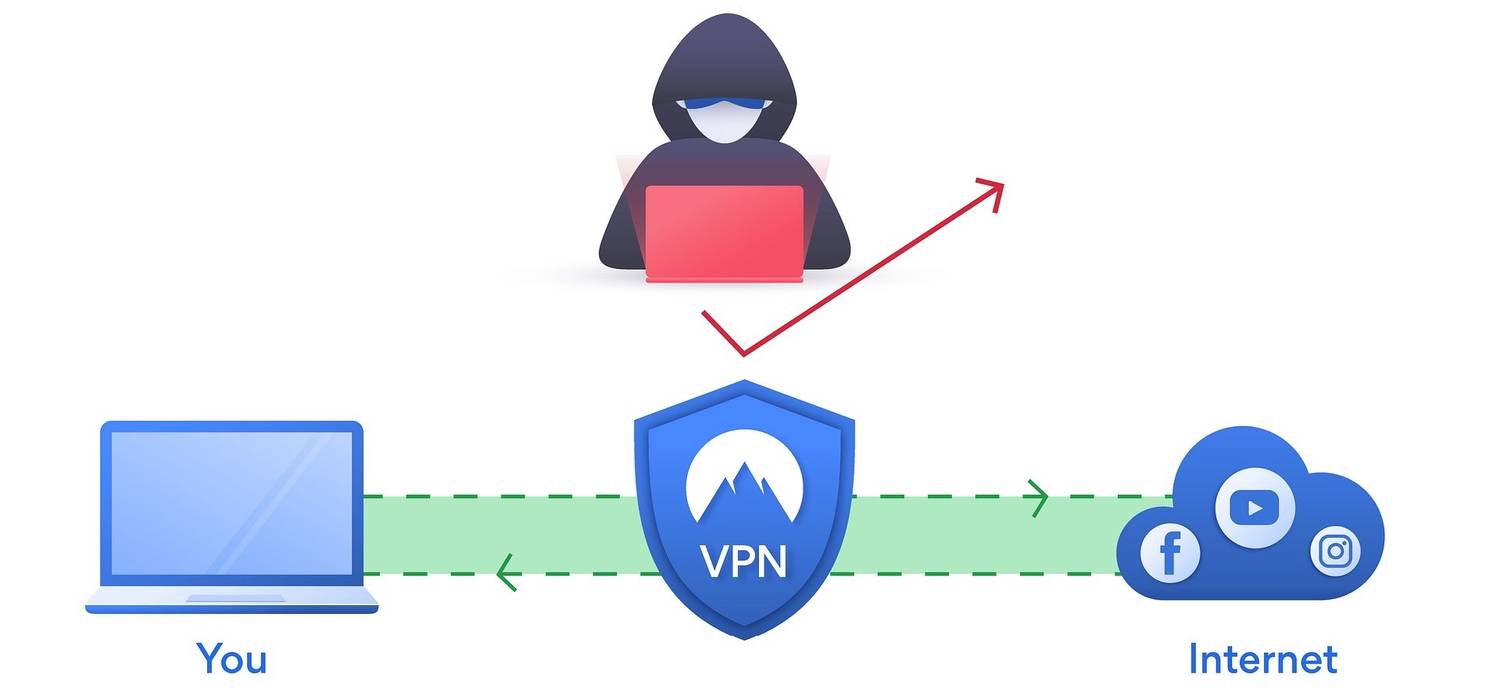
When using a VPN, your client or device authenticates with the distant server location before the first web traffic begins its journey. According to the security protocol you employ, this data is encrypted before being delivered to the distant server and the open internet. The new IP address provided by the VPN service or provider masks or fakes your true home IP address. You always remain safe and secure when browsing the internet since only encrypted data packets are exchanged between your computer and the remote VPN server. Many times, the entire procedure is referred to as VPN tunneling.
What are the most popular VPN security protocols that are currently available?
Today's VPN services and providers have access to a variety of security protocols, some of which are distinctive in their own right. We briefly touch on a handful of the most typical ones you might run into in the section below. Check out the following to learn more.
OpenVPN
Since its debut in 2001, OpenVPN has been the industry standard for numerous VPN services and providers. OpenVPN continues to be one of the most well-known and widely utilized protocols worldwide. It is, as the name implies, a safe open source VPN protocol that is very widely available on all popular platforms and devices.
It might not have been made specifically for smartphones. To manage your local OpenVPN hardware, you can download the third-party program. Additionally, OpenVPN provides a cutting-edge cloud-based solution that enables both business and individual users to quickly and easily deploy self-hosted VPN servers without the need for additional hardware.
Wireguard
In comparison to OpenVPN, Wireguard is a next-generation open source VPN protocol that offers faster connections, more security, and reduced system resource consumption. But straight out of the gate, speed and effectiveness were prioritized over privacy. Due to restrictions, Wireguard does not by default support numerous consumer privacy-focused options, such as obfuscation or tunneling over TCP. Companies like NordVPN use specialized software to add distinctive privacy measures to their Wireguard implementation in order to fill in the gaps. If you use Wireguard on your own VPN server, you'll be missing out on several essential privacy features.
NordLynx
The NordVPN team developed NordLynx, a unique version of the Wireguard VPN protocol. Citing the typical problems with Wireguard that were previously noted, such as the absence of user-friendly privacy options, NordVPN set out to improve its users' VPN experiences. While using the same structure as Wireguard, NordLynx maintains the user's privacy choices. In essence, NordVPN improved upon the next-generation VPN protocol. With little to no sacrifice, you get speed, security, and privacy in one package. As a result, NordLynx is an excellent choice if you want to use the NordVPN service right now.
Lightway
The ExpressVPN team created the VPN protocol Lightway specifically to match the high criteria they have established for the consumer VPN industry. Lightway is a cutting-edge VPN protocol that prioritizes speed, security, and privacy even though it is not based on Wireguard. Every feature a consumer-based VPN should have. Wireguard is praised by ExpressVPN as being outstanding in its own right. But in order to be useful, a VPN needs to offer those essential privacy characteristics. As a result, ExpressVPN developed a new VPN protocol that satisfies both internal business requirements and client demand.
What outcomes are possible while utilizing a free VPN service?
Free VPN services frequently contain restrictions that render them ineffective for regular use for total online anonymity. You will need to exercise caution when using the VPN because they often have a free monthly cap on the amount of data you may utilize. Additionally, since you aren't paying for anything, the VPN service's management of your information may be suspect. Most people will concur that using a free VPN over a premium paid subscription service increases the likelihood that your personal information will be misused, sold, or exploited.
A lot of free VPN providers also offer a range of premium solutions, but this does not necessarily mean that they will be trustworthy with your personal information. Even if you pay for a premium subscription tier, the VPN service may gather or utilize your data depending on its reputation and logging policies. Avoiding the arbitrary free VPN apps that appear overnight on the Google Play Store or Apple Appstore is also a smart idea. The majority of them weren't created with your interests in mind. Their one and only goal is to steal personal data from you covertly.
How about high-end, expensive VPN services?
However, compared to a free choice, a premium priced VPN service often provides more distinctive features. Real-time malware protection, ad blockers that thwart sneaky tracking techniques, and defense from the majority of known malicious websites are a few examples. Furthermore, compared to a free option, a premium paid VPN service is more likely to have an actual no-logging policy. Additionally, you won't have to be concerned about data limits because you can use their servers whenever they're online, which is ideal for daily use.
A high-end paid VPN service will often offer you access to a large range of reliable servers located all around the world. The more options you have, the better, as there may be instances when a server becomes clogged owing to heavy traffic. In this situation, server hopping would be advantageous because your connection speed could suddenly plummet and become unreliable. Additional VPN security protocol options are also available, including Wireguard and other uncommon implementations. As an illustration, NordVPN offers NordLynx while ExpressVPN provides Lightway. Both protocols were developed with their respective customers' needs in mind.
Should you choose a premium paid VPN service or a free one?
It all depends on your needs and how frequently you intend to utilize a VPN on your smartphone. You should use a VPN as often as possible, if not constantly, because these devices are online and always connected. Many trustworthy VPN companies provide free services with modest monthly data caps, but it would make it difficult for you to keep the connection open constantly. Since they are free to use, some VPN providers may also show bothersome advertisements or sell your browsing history in an effort to make money off of your data.
You have a choice, however we advise investing in a high-end VPN service to get over the limiting monthly data limits and take use of the other advantages. When combined with the additional privacy features, server selection, and contemporary VPN security protocols, it makes for a simple decision. Additionally, a lot of well-known VPN services provide good multi-year subscription discounts, making the initial cost very low.
To make your selection a little bit easier if you're unsure which VPN service to use, we cover the top five VPN providers.